Tree pruning in Sydenham
If you’re looking for tree pruning in Sydenham, you’re probably dealing with one of a few common situations: branches brushing against a roof, trees blocking light into a garden or shopfront, limbs hanging over a driveway, or a mature tree that simply needs a careful tidy to stay healthy and manageable. In a suburb with a mix of period homes, family properties, apartment blocks, local businesses, and established street trees, pruning is rarely just about appearance. It’s about safety, structure, sunlight, access, and making sure your trees work with the space they’re in rather than against it.
Good pruning is a skilled service. It is not the same as chopping branches off at random or “topping” a tree, which can leave it stressed, disfigured, and more likely to fail later on. A thoughtful approach considers the tree species, growth habit, season, surrounding structures, foot traffic, and your long-term goals for the property. Whether you need selective crown thinning, deadwood removal, formative pruning for younger trees, or clearance work over paths and fences, a local team can help you make the right decisions for your site.
Our tree pruning services in Sydenham are designed for real properties and real conditions: narrow access lanes, shared boundaries, sloped blocks, tight side passages, overhead services, mature front gardens, rear courtyards, and commercial sites with limited downtime. If you want your trees to look better, grow stronger, and remain safer through the seasons, contact us today to request a free quote or book an inspection.
Why pruning matters for Sydenham properties

Tree pruning supports both the health of the tree and the usability of the property. In Sydenham, where homes and businesses often sit close together, branches can quickly become an issue if they are left unchecked. A tree that was once perfectly placed can begin to interfere with gutters, fences, pergolas, roofs, windows, solar panels, or overhead lines as it matures. Pruning helps manage this growth in a way that is controlled and proportionate.
Health is a major reason for pruning. Removing dead, diseased, rubbing, or crossing branches can reduce stress on the tree and lower the risk of decay spreading through damaged limbs. For many species, shaping the canopy with care also improves airflow and light penetration, which can support more balanced growth and reduce the chance of dense, heavy limbs becoming problematic in storms or strong winds.
For local residents, pruning can also restore the usability of outdoor spaces. If your backyard feels dark and enclosed, or your front garden has become too shaded for lawn, planting beds, or entertaining, a well-planned pruning service may improve the area without removing the tree entirely. For commercial customers, it can help keep signage visible, pathways clear, and entrances welcoming.
Tree pruning in Sydenham for homes, units, and businesses
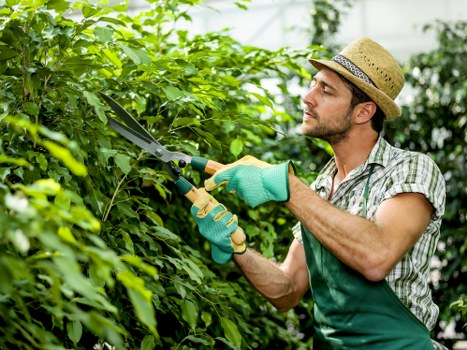
Different properties call for different approaches. A small courtyard tree in a townhouse needs a very different treatment from a mature gum on a larger block or an ornamental tree in a retail frontage. That is why a local service should begin with an onsite assessment, where the tree’s condition, size, species, and surroundings are taken into account before any cutting starts.
For residential customers, pruning may be needed to open up a garden, keep branches clear of the roofline, or reduce leaf litter into gutters and drains. In older homes, established trees are often part of the character of the street, so careful pruning can help preserve that look while solving practical issues. On newer properties, pruning is often about setting a young tree on the right path early, so it develops a strong structure rather than creating future conflicts with buildings or neighbours.
For commercial sites in and around Sydenham, the priorities may include access, presentation, safety, and minimal disruption. Pruning can help maintain clear pedestrian pathways, improve visibility, reduce risk to customers and staff, and keep the property looking cared for. If you manage a retail space, office, hospitality venue, school, strata complex, or community property, regular tree maintenance can make a noticeable difference to how the site functions day to day.
What our tree pruning service may include
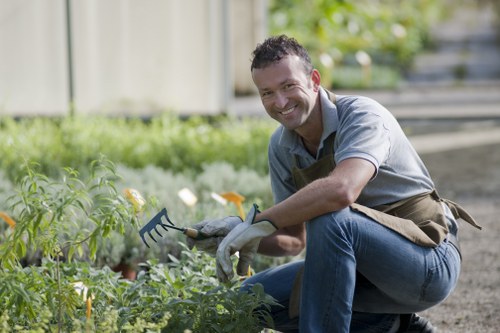
Every tree and every site is different, but a professional pruning service will usually start with a clear plan. The aim is to remove only what is necessary and to shape the tree in a way that supports future growth. Depending on the tree and your goals, the service may include a combination of the following:
- Deadwood removal to eliminate brittle, non-living branches that may fall unexpectedly.
- Crown thinning to reduce density and allow more light and air through the canopy.
- Crown lifting to raise lower branches and improve access, clearance, and visibility.
- Selective reduction to shorten branches and manage overall size without harsh cutting.
- Formative pruning for younger trees to encourage a stable structure early on.
- Clearing branches from roofs, walls, gutters, fences, driveways, and pathways.
- Removal of rubbing, crossing, or poorly attached limbs that could fail later.
- Basic clean-up of prunings and debris so the site is left tidy.
Not every tree needs a heavy cut. In fact, many trees look and perform better when pruning is light and strategic. A responsible arborist or tree team will look for the least invasive method that still achieves the result you need. That can mean taking smaller sections over time rather than removing too much in one visit.
It is also important to note that some trees respond best to pruning at specific times of year. The ideal timing depends on species, flowering cycle, growth rate, and current condition. A local team familiar with Sydenham’s gardens and streetscapes can advise on timing so the work supports the tree rather than placing extra stress on it.
Common reasons locals request pruning
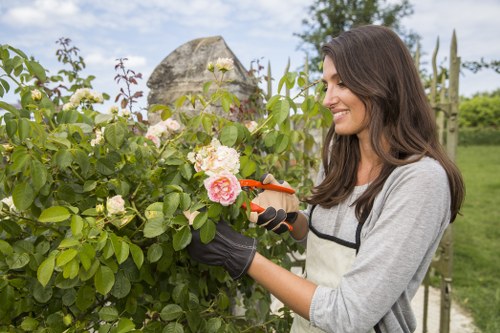
Many customers first call about a specific problem, but the real underlying reason is often a mix of safety and lifestyle. Here are some of the most common reasons for tree pruning Sydenham property owners request:
- Branches are touching or overhanging a roof, shed, pergola, or balcony.
- The canopy is too dense and blocks sunlight to the yard, windows, or garden beds.
- Limbs are too close to power lines or other overhead services.
- Dead or broken branches have appeared after wind or seasonal weather.
- The tree is encroaching on a neighbour’s fence, driveway, or courtyard.
- Low branches are making access difficult for cars, people, or machinery.
- Leaf litter, seeds, or fruit are becoming a nuisance in high-traffic areas.
- The tree has grown unevenly and needs reshaping for balance and structure.
- Young trees need formative care to avoid future problems.
- The property owner wants to maintain a more attractive streetscape or garden outlook.
In tightly built areas around Sydenham, small problems can become big ones quite quickly. A branch that seems harmless today may become a nuisance during heavy rain, wind, or rapid spring growth. Regular pruning helps reduce the chance of emergency callouts and supports safer, more predictable tree management over time.
For strata and shared properties, pruning can also help reduce disputes. When trees grow across boundary lines or block common access areas, a timely service can keep everyone on the same page and reduce ongoing maintenance frustrations.
How the pruning process usually works
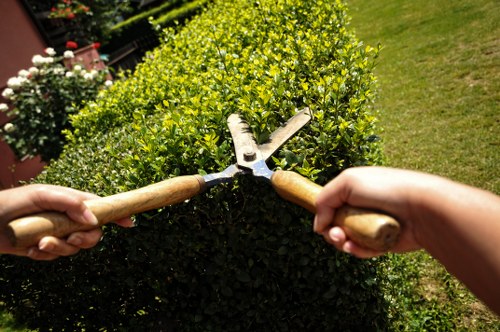
When you book tree pruning in Sydenham, the process should feel straightforward and well organised. A good local service will aim to make it as simple as possible while still taking time to assess the tree properly. Here is what customers can generally expect:
1. Initial discussion and site assessment
We begin by understanding what you want to achieve. You may be concerned about safety, appearance, clearance, or ongoing maintenance. The site is then assessed so the tree’s size, species, condition, and location can be reviewed alongside access and surrounding structures.
2. Pruning plan
Once the goals are clear, the pruning approach is chosen. This might involve a light tidy, structural work, deadwood removal, canopy reduction, or clearance over a specific area. The plan should always aim to balance tree health with your practical needs.
3. Safe carrying out of the work
The pruning is completed using appropriate techniques and tools. This may involve working from the ground, using climbing methods, or accessing the canopy by other safe means depending on the situation. Care is taken around fences, paving, garden features, nearby buildings, and any overhead hazards.
4. Debris removal and tidy-up
Branches and debris are collected and removed, leaving the area neat and usable. If you have asked for chip reuse or green waste management options, these can often be discussed in advance.
5. Advice for ongoing care
After the work is done, you may receive practical suggestions about watering, mulching, follow-up pruning, or when to schedule the next visit. This is especially helpful for younger trees or trees that have been under stress.
If you want a service that is organised, efficient, and respectful of your property, book your service now or request a free quote to get started.
Why a local Sydenham tree pruning team is useful
Understanding local conditions
Local experience matters. Sydenham properties often involve compact blocks, shared boundaries, mixed-age plantings, and access constraints that an out-of-area contractor may not fully appreciate. A team that regularly works in the suburb is more likely to understand the practical realities of the location, including how to plan work around narrow driveways, busy streets, parking limitations, and limited onsite manoeuvring space.
Respect for the neighbourhood
Tree pruning can be disruptive if it is not managed carefully. A local crew that knows the area is more likely to plan around residents, neighbours, and passing foot traffic. That matters if you live near a busier road, have a corner block, or need work completed without creating unnecessary disturbance for tenants, staff, or customers.
Help with varied property types
Sydenham includes a wide range of property styles, from older homes with established gardens to newer developments and business premises. Each one presents different access and clearance issues. A local tree team can adapt to the type of property, whether the job is a front-yard shaping, a high canopy reduction, or careful pruning along a boundary line.
Choosing local also often means better communication and more realistic scheduling. When you need a tree assessed promptly because it is affecting access or creating concern after a storm, a nearby team is usually in a better position to respond quickly and organise the work efficiently.
Tree pruning and tree health: getting the balance right
One of the most important parts of pruning is knowing how much to remove. Too little may fail to solve the issue, while too much can weaken the tree or encourage poor regrowth. This is why experienced pruning is always selective rather than excessive. The goal is to improve shape, safety, and structure without stripping the tree of the foliage it needs to thrive.
Proper cuts matter too. Clean, well-placed cuts help the tree recover more effectively than rough or poorly positioned cuts. A thoughtful approach reduces the chance of tearing, unnecessary stress, and decay entering the wound site. For many species, this can make a meaningful difference to how the tree responds over the following seasons.
Pruning may also be part of a broader care plan. In some cases, a tree may be suffering from poor soil conditions, compaction, root disturbance, drought stress, or previous incorrect cutting. A local professional can help you understand whether pruning alone is enough or whether the tree would benefit from a longer-term approach that includes additional maintenance.
Safety, access, and site challenges in Sydenham
Tree pruning is often more complex than it appears from the street. In Sydenham, site constraints can affect how the work is planned and completed. Side access may be narrow. Vehicles may need to park carefully. Branches may need to be removed in sections to avoid damage to roofs, fences, or paving. Some properties also sit close to neighbouring buildings, which means extra attention is needed around boundary lines and overhanging growth.
There can also be hidden risks such as brittle limbs, decayed branches, concealed weak points, or trees growing close to overhead services. These issues are best assessed before any pruning starts. A careful inspection helps determine the safest method and the best order of work, reducing risk to people, property, and the tree itself.
If you manage a commercial or strata property, access planning becomes even more important. Customers, residents, deliveries, and staff may all need to move through the area while work is underway. A professional service can coordinate the job to limit disruption and keep the site orderly throughout the process.
Preparing for your pruning appointment
There are a few simple things you can do before the team arrives to help the appointment run smoothly. These steps are especially useful for homes with tight driveways, shared parking, or limited yard access.
- Move cars, trailers, and movable outdoor items away from the work area if possible.
- Keep pets and children clear of the site during the pruning.
- Make sure gates, side paths, or access points are unlocked and usable.
- Let the team know about any fragile surfaces, underground services, or recent landscaping.
- Point out the specific branches or issues you want addressed.
- Tell the team if nearby neighbours need to be considered for access or clearance.
It also helps to think about your end goal. Do you want more light, less debris, improved clearance, better shape, or a combination of all four? The clearer your priorities are, the easier it is to recommend a pruning method that suits your property and budget.
Good preparation doesn’t need to be complicated. Even small steps can make the job quicker, safer, and more efficient. If you are unsure what to move or prepare, ask when you arrange the visit.
What affects the cost of tree pruning?
Tree pruning prices can vary because no two jobs are exactly alike. Rather than fixed one-size-fits-all pricing, most customers receive a quote based on the details of the tree and the site. Common pricing factors include:
- Tree size and height – larger trees usually require more time, equipment, and labour.
- Canopy density – thick, tangled growth may take longer to prune and clear.
- Access to the tree – narrow side access, limited parking, or difficult terrain can affect the job.
- Location of branches – work near roofs, windows, fences, or services may need extra care.
- Type of pruning required – a light trim is usually different from structural reduction or deadwood removal.
- Condition of the tree – a tree with defects or storm damage may require more caution.
- Debris removal needs – clean-up and disposal may influence the overall quote.
- Urgency of the work – priority jobs can sometimes require more flexible scheduling.
When comparing options, it is sensible to look beyond the number alone. A lower quote may not mean better value if the work is rushed or not suited to the tree. A careful, well-planned pruning service can help avoid future costs linked to damage, regrowth problems, or repeated corrective work.
Areas covered around Sydenham
Customers in Sydenham often need pruning across a mix of streets, property styles, and nearby neighbourhoods. Local services commonly assist clients in surrounding areas such as Tempe, Marrickville, Earlwood, St Peters, Alexandria, Enmore, Dulwich Hill, and Campsie, depending on the scope of work and access requirements.
This wider coverage matters because tree care issues do not stop neatly at suburb boundaries. If your property sits near an arterial road, industrial pocket, transport corridor, or shared residential edge, it can still benefit from a team that understands the local landscape and can plan the work with nearby conditions in mind.
Whether the job is for a home garden, a rented property, a business frontage, or a managed complex, the same principles apply: clear communication, safe pruning methods, tidy results, and a practical understanding of the site. If you are nearby and need help, request a free quote and arrange an inspection.
Frequently asked questions
How often should trees be pruned?
It depends on the species, age, growth rate, and location. Some trees benefit from light, regular pruning, while others only need attention every few years. Trees near buildings, paths, or boundaries may need closer monitoring.
Is pruning safe for all trees?
Most trees can be pruned safely when the work is done correctly, but the amount and timing should suit the species and condition. Some trees are more sensitive than others, so it is important to assess them properly before starting.
Can pruning help a tree recover after storm damage?
Yes, in many cases. If a tree has broken, split, or hanging branches after wind or heavy weather, pruning can remove damaged sections and reduce further risk. The exact approach depends on how much of the canopy is affected.
Will pruning make my tree grow back thicker?
Some trees respond to pruning by producing new growth, but heavy cutting can create dense regrowth that needs more management later. Careful selective pruning is usually better than aggressive removal if the goal is a balanced canopy.
Do I need permission before pruning a tree?
Sometimes. Depending on the tree, its size, species, and location, there may be local rules or property considerations to check first. If you are unsure, it is best to ask before booking the work so you can avoid surprises.
Can you prune trees close to fences or buildings?
Yes, with the right care and planning. Trees in tight spaces are common in Sydenham, so precision matters. The pruning method should protect nearby surfaces and keep the work area controlled.
What if the tree is too big for a simple trim?
Then a more detailed pruning plan may be needed. In some cases, staged reduction or a combination of pruning methods may be the best approach. If the tree is severely overgrown or compromised, you may also need advice on whether further action is appropriate.
Choose a tree pruning service that suits your property
Tree care should feel practical, not complicated. If you need help with tree pruning in Sydenham, choose a service that takes the time to understand your site, your trees, and your priorities. A well-pruned tree can improve light, reduce risk, tidy the look of the property, and support healthier growth in the years ahead.
Whether you are a homeowner wanting a clearer backyard, a landlord keeping a rental well maintained, a strata manager dealing with shared access, or a business owner needing a cleaner frontage, pruning can be one of the simplest ways to improve the property without losing the value of established trees.
Contact us today to discuss your tree, request a free quote, or book your service now. If you want reliable, locally relevant tree pruning with a practical approach, the right team can help you get it done properly.